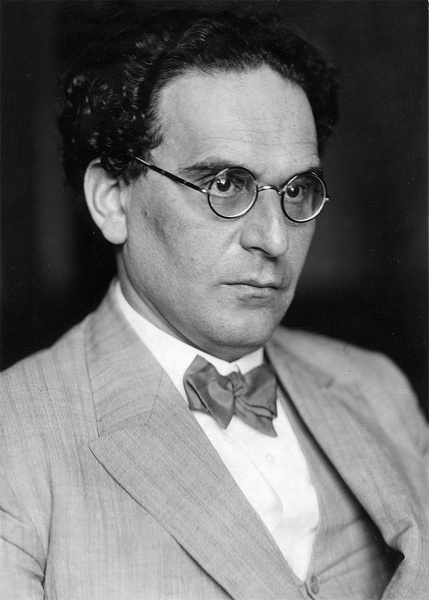
Der am 14. Mai 1885 geborene Sohn eines Kaufmanns aus Breslau studierte von 1901 bis 1906 Klavier, Komposition und Dirigieren in Frankfurt am Main und Berlin. Er debütierte 1906 am Neuen Theater in Berlin in einer Aufführung von Halévys Orpheus in der Unterwelt, ging 1907 an das Deutsche Theater in Prag und 1910 an das Hamburger Stadttheater. 1913 wirkte er in Barmen-Elberfeld und von 1914 bis 1917 in Straßburg, bevor er 1917 Generalmusikdirektor in Köln wurde. 1924 ging er in gleicher Funktion nach Wiesbaden und übernahm 1927 die Leitung der Berliner Krolloper. Seine eigenwilligen Inszenierungen wie sein unerbittlicher Anspruch und seine Förderung zeitgenössischer Werke verschafften ihm die begeisterte Zustimmung des Avantgarde-Publikums, stießen jedoch bei konservativen Kritikern und in der politischen Rechten auf scharfe Ablehnung. Sie bekämpften Klemperer als Juden und angeblichen „Kulturbolschewisten“, der es auf die Zerstörung vermeintlich deutscher Kultur abgesehen habe.
Nach der Schließung der Krolloper im Juni 1931 wechselte der Ausnahmekünstler an die Staatsoper Unter den Linden, doch endete seine Karriere mit der nationalsozialistischen Machübernahme 1933. „Als besonders bezeichnend“, so vermerkte noch 1940 das verhängnisvolle, nationalsozialistische Lexikon der Juden in der Musik, „soll nur darauf hingewiesen werden, daß noch am 13. Februar 1933, nach der Machtergreifung, der jüdische Generalmusikdirektor Klemperer die Frechheit besaß, anlässlich des 50. Todestages Richard Wagners eine Tannhäuserinszenierung in der Berliner Staatsoper vorzunehmen, die als gewollte Beleidigung des großen deutschen Meisters und als Faustschlag ins Gesicht aller noch irgendwie gesund empfinden Menschen gelten mußte.“
Otto Klemperer ging noch 1933 in die USA, wo er die Leitung des Los Angeles Philharmonic Orchestra übernahm. Doch 1939 zwangen ihn ein Gehirntumor und eine Meningitis-Erkrankung zu einer mehrjährigen Pause, die seine Karriere in den Vereinigten Staaten beendete.
1946 kehrte er für eine Reihe von Gastdirigaten, u.a. in Salzburg, Paris und Amsterdam, nach Europa zurück und übernahm von 1947 bis 1950 die künstlerische Leitung der Budapester Oper. 1954 wurde er Nachfolger des nach Berlin gewechselten Herbert von Karajan als Chefdirigent des Londoner Philharmonia-Orchesters, eines 1945 vom EMI-Produzenten Walter Legge begründeten Schallplattenorchesters. Zwischen 1954 und 1971 leitete Klemperer zahlreiche wichtige Schallplatteneinspielungen und gastierte zudem als international gefragter Dirigent. Am 6. Juli 1973 ist Otto Klemperer in Zürich gestorben.
1885 Breslau
1973 Zürich