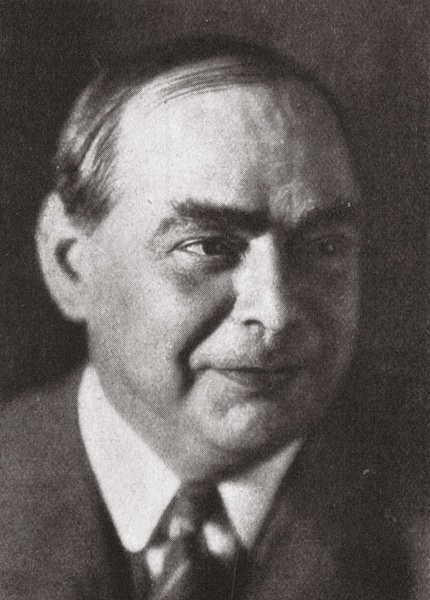


Max Marx was born Max Marcus on January 24, 1874, in Vienna. It was there that he received his training, which brought him to the stage at the young age of 17. While he originally performed as an actor, his talents as a singer soon became noticed, and he began appearing as a bass in operettas. As an actor, comedy theater formed an integral part of his repertoire early on. His first engagements brought him to theaters in Vienna, Sarajevo, Olmütz (present-day Olomouc), Salzburg, and Berlin. In 1895 he went to Breslau (present-day Wrocław) as an operetta singer before returning to Vienna in 1903. Between 1904 and 1912, Marx once again acted and sang in operettas in Berlin and also began directing. In 1912 he was engaged at the Stuttgart Hoftheater as an actor, singer, and director. Marx performed on a nearly daily basis in the years that followed, primarily in comedic roles, and enjoyed great success. He also established himself as a celebrated singer with his operetta performances. After a ten-year engagement, he was tenured as a Staatsschauspieler, the highest title a stage actor could earn, at the Württembergisches Landestheater.
Marx became the target of repeated attacks in the 1920s, and his roles such as those in Viennese comedies placed his artistic performances in the background and turned the stereotype of the clumsy, sluggish, mischievous Viennese Jew back around on himself. These defamations gained traction in the 1930s, and he was booed from the stage during Nazi riots against a production of Shadows over Harlem. Around that same time, the theater’s directorate received a number of complaints against Marx, decrying his supposed artistic deficits as a Jew. He also believed he was being undervalued by the theater’s management and protested that he was being confined to comic roles and overlooked as a director.
In late March of 1933, Marx’s employment was terminated by the new minister of education and the arts, Christian Mergenthaler, despite the general director having applied for an extension of his contract at the beginning of the month. After a series of fruitless appeals against his dismissal, Marx had returned to Vienna by October of that year and performed at the Kammerspiele in 1934/35. Marx was forced to retreat from the public after a stroke during a performance in October of 1934 left him paralyzed. He died on November 12, 1939, in Vienna.
1874 Vienna
1939 Vienna