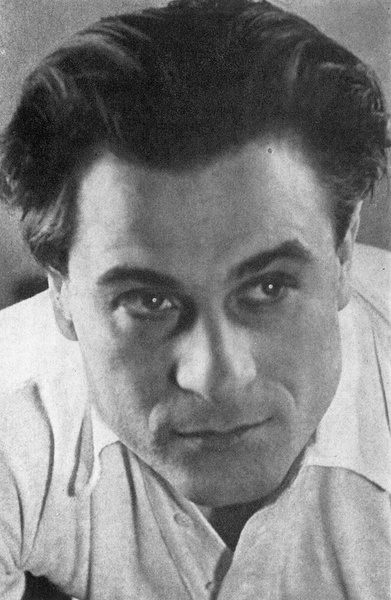


Der Schauspieler wurde am 31. Januar 1905 als Martin Heinrich in Dresden geboren. Aus bescheidenen Verhältnissen stammend, wurde er zunächst Schlosser, nahm aber nebenbei Schauspielunterricht am Dresdner Konservatorium. 1923/24 begann er als Statist am Staatstheater, wo er bald durch sein Können auffiel. 1924 wurde Hellberg als Schauspieler engagiert. Er entwickelte sich zu einem häufig eingesetzten und beliebten Künstler, der in Klassikern wie in Zeitstücken Erfolge feierte. Die Presse lobte den „ungewöhnlich begabten Martin Hellberg“, der durch „mimische Sicherheit“ und „seine schöne ausdrucksreiche und dabei ungekünstelte Sprache“ überzeuge.
Die Machtübernahme der NSDAP 1933 setzte seiner Karriere am Staatstheater ein plötzliches Ende: Hellberg war KPD-Mitglied und hatte sich als Leiter kommunistischer Arbeiterspielgruppen öffentlich exponiert. Zudem war er seit 1926 mit der Jüdin Berta Gurewitsch verheiratet. Am 21. April wurde er deshalb als „politisch untragbar“ entlassen. Er ging zunächst ans private Dresdner Komödienhaus, musste diese Stelle aber bald aufgeben – der Direktor bei der Intendanz der Staatstheater, Franz Heger, drohte mit SA-Überfällen. Hellberg verließ die Stadt und arbeitete in den folgenden Jahren an verschiedenen Bühnen in Berlin und Hamburg, gelegentlich mit einer „Sondergenehmigung“ beim Film, ab 1938 als Rundfunksprecher und 1940/41 an der Württembergischen Landesbühne 1941 half ihm der Kontakt zu einem ehemaligen Dresdner Kollegen vom Staatsschauspiel: Der Dramaturg Wolfgang Nufer, SS-Mitglied seit 1935, war mittlerweile Intendant des Theaters in Freiburg geworden. Da Nufer offenbar seinen Einfluss geltend machte und da sich Hellberg, wahrscheinlich aus privaten Gründen, bereits 1935 von seiner jüdischen Frau getrennt hatte – sie war daraufhin mit dem gemeinsamen Sohn nach Palästina emigriert – erhielt er im September 1941 eine Stelle als Spielleiter des Freiburger Schauspiels.
Als Nufer 1942 Freiburg verließ, verlor Hellberg dessen Protektion. Das Stigma der „politischen Unzuverlässigkeit“ holte ihn nun wieder ein: Im August 1942 wurde er aus der „Reichskulturkammer“ ausgeschlossen und war damit ohne jede künstlerische Arbeitsmöglichkeit. Die Gauleitung Sachsen teilte mit, „dass H. einer der widerlichsten Kultur-Bolschewisten gewesen und auch heute noch Bolschewist durch und durch sei.“ Er habe „noch bis zum Jahre 1935 mit einer Jüdin verkehrt.“ Deshalb entschied das Propagandaministerium, „dass H. zunächst Gelegenheit zum Fronteinsatz […] zu geben sei.“
Hellberg wurde im Sommer 1943 zur Wehrmacht eingezogen und im Krieg gegen die Sowjetunion eingesetzt. Nach Kriegsende kehrte er 1945 ans Freiburger Theater zurück und wechselte 1946 nach München. 1949 kurzzeitig als Oberspielleiter am Dresdner Schauspielhaus, übernahm er von 1950 bis 1952 als Generalintendant die Leitung der Staatstheater. Die Arbeit als Theaterleiter war zum einen von Konflikten mit der Kulturbürokratie der DDR geprägt, zum anderen zog es Hellberg zum Film: Ab 1952 drehte er zahlreiche Spielfilme für die DEFA. Als letztes Theaterengagement übernahm er 1962 kurz die Leitung des Schweriner Theaters. Am 31. Oktober 1999 ist Martin Hellberg in Bad Berka gestorben.
1905 Dresden
1999 Bad Berka