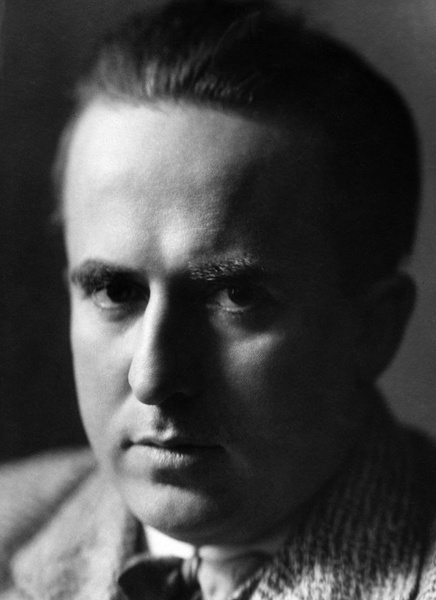


Der Sohn eines Kunsthändlers studierte in seiner Heimatstadt Berlin unter anderem bei Engelbert Humperdinck und Hugo Kaun und lernte Dirigieren bei Karl Muck, Richard Strauss und Leo Blech. Seit 1908 an der Berliner Hofoper, wurde der 21-jährige Korrepetitor 1911 als Assistent Karl Mucks nach Bayreuth eingeladen. Nach Engagements in Essen und Augsburg kam er 1914 als Kapellmeister an das Stadttheater in Bremen, wo er 1924 zum Generalmusikdirektor aufstieg. Ab 1927 lebte er wieder in Berlin, dirigierte an der Krolloper und am Deutschen Theater, leitete Rundfunkkonzerte und komponierte. Die für den April 1933 in Mannheim vorgesehene Uraufführung seiner Oper Nana wurde durch die nationalsozialistische Machtübernahme an den Theatern im März verhindert.
Bereits vor 1933 war dieses Werk wegen seiner sozialkritischen Tendenz und wegen seines jüdischen Librettisten Max Brod von den Nationalsozialisten angegriffen worden. Jetzt wurde auch Gurlitt, entgegen aller Fakten, wegen seiner angeblich jüdischen Herkunft diffamiert. Der Komponist bestritt diesen Vorwurf und trat darüber hinaus 1933 in die NSDAP ein. Beides blieb erfolglos: Gurlitt wurde als „Vierteljude“ eingestuft und seine Parteimitgliedschaft 1937 aufgehoben. Beruflich hatte dies zunächst keine Folgen – seine Kompositionen wurden nicht verboten, sondern von deutschen Bühnen interessiert wahrgenommen. Auffällig war nur, dass seine Werke immer wieder im letzten Moment vom Spielplan genommen wurden und Filme, für die er die Musik geschrieben hatte, keine Aufführungsgenehmigung erhielten. Diese Blockaden hatten auch finanzielle Folgen, so dass er 1938 die Chance auf eine Stelle an der Musikhochschule in Tokio ergriff. Doch auch hier traten plötzlich Hindernisse auf: Der unterschriftsreife Vertrag platzte, weil sich deutsche Dienststellen über diplomatische Kanäle eingeschaltet hatten. Gurlitt begriff: Er sollte „in der Heimat eingesperrt zugrundegehen“. Im Frühjahr 1939 jedoch gelang es ihm, zusammen mit seiner Frau nach Japan zu fliehen, wo beide am 23. Mai nahezu mittellos ankamen.
Vor allem die Hilfe japanischer Kollegen ermöglichte Gurlitt einen schnellen beruflichen Neuanfang als Orchesterleiter, Rundfunkdirigent und Hochschullehrer. Zwar wurde seine zweite Karriere 1944 durch die Internierung fast aller Ausländer in Japan unterbrochen, doch nach Kriegsende konnte er an seine Erfolge anknüpfen und in den folgenden Jahren das japanische Musikleben maßgeblich mitgestalten. In Deutschland aber blieb ihm die Anerkennung verwehrt: Er sei, so teilte ihm ein deutscher Verleger lakonisch mit, „durch das lange Nazi-Verbot quasi vergessen“. Weder zahlreiche japanische Auszeichnungen noch das Bundesverdienstkreuz konnten daran etwas ändern. Manfred Gurlitt starb am 29. April 1972 in Tokio.
1890 Berlin
1972 Tokio