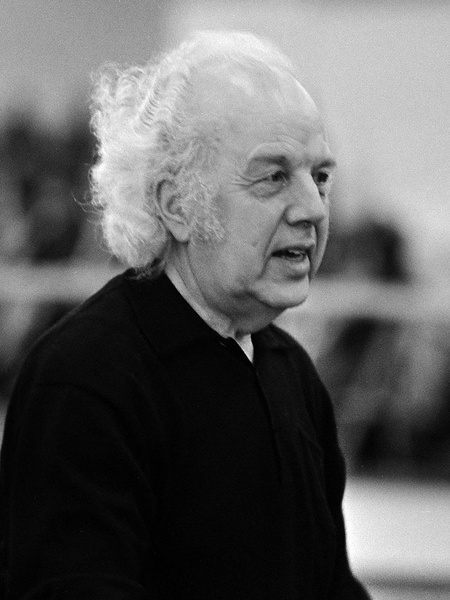


Als Sohn eines Brauereibesitzers im schwäbischen Wasseralfingen geboren, studierte Kurt Jooss zunächst Musik, Schauspiel und Tanz in Stuttgart. Begeistert von den Möglichkeiten des lebensreformerisch inspirierten Ausdruckstanzes brach er sein Studium ab und wurde Schüler des einflussreichsten Ausdruckstänzers jener Zeit, Rudolf von Laban. 1922 wurde Jooss Mitglied in dessen Hamburger Tanztruppe und avancierte bald zum Lehrer an Labans Tanzschule und zu dessen Assistenten. Zwei Jahre später ging der Tänzer als Bewegungsregisseur und Ballettmeister ans Stadttheater in Münster, wo er Labans Prinzipien mit den Anforderungen des Theaterbetriebs verband und so einen eigenen Tanztheater-Stil schuf. 1927 wurde Jooss Leiter der Tanzabteilung an der neu gegründeten Folkwangschule in Essen, 1930 übernahm er zudem das Ballett am dortigen Stadttheater. Im gleichen Jahr choreografierte er zusammen mit seinem Lehrer Laban bei den Bayreuther Festspielen das Venusberg-Bacchanal im Tannhäuser. Die Presse feierte die Choreografie als „Regieleistung ersten Ranges“, Jooss selbst beschrieb seine Arbeit als „etwas vom Schönsten, was wir je erlebt haben“. Zwei Jahre später kam auch international der Durchbruch: Mit dem Ballett Der Grüne Tisch – Ein Totentanz errangen Jooss und seine Tanzkompanie 1932 den ersten Preis im Wettbewerb der Archives Internationales de la Danse“ in Paris. Wenige Monate später wurde Adolf Hitler deutscher Reichskanzler.
Die Kompanie von Jooss wurde wegen seiner jüdischen Mitglieder sofort zum Ziel der Essener Nationalsozialisten, die die Entlassung aller Juden aus dem Ensemble forderten. Doch dessen Leiter blieb seinen Kollegen gegenüber loyal, verweigerte sich diesen Forderungen und wurde daraufhin selbst als „mosaischer Tempeltänzer“ diffamiert. Im September 1933 wurde die Situation schließlich bedrohlich: Kurz vor Beginn einer geplanten Europatournee befürchtete Jooss, verhaftet zu werden und organisierte die Flucht. Statt zur offiziell bekannt gegebenen Zeit verließen Jooss und sein Ensemble bereits Tage zuvor heimlich die Stadt und flohen nach Holland. Von dort aus ging die Truppe 1934 ins Exil nach England. Jooss, dessen Vertrag an der Folkwangschule nach seiner Flucht aus Essen nicht mehr verlängert wurde, gelang es in den folgenden Jahren, im südenglischen Dartington Hall eine eigene Tanzschule aufzubauen und als Choreograf in England Bühnenerfolge zu feiern. Der Kriegsbeginn 1939 bedeutete jedoch eine erneute Zäsur: Als deutschen Staatsbürgern wurde seinen Tänzern die Rückreise von einer Amerika-Tournee verwehrt und Jooss selbst 1940 für mehrere Monate in England interniert. Nach seiner Entlassung gelang es ihm, Tanzschule und Kompanie in Cambridge bis 1947 weiterzuführen. 1949 kehrte er nach Essen zurück und übernahm erneut die Tanzabteilung der Folkwangschule. Zudem wirkte er in den folgenden Jahren als international gefragter Choreograf und Lehrer. Am 22. Mai 1979 verstarb Kurt Jooss in Heilbronn nach einem Autounfall.
1901 Wasseralfingen
1979 Heilbronn