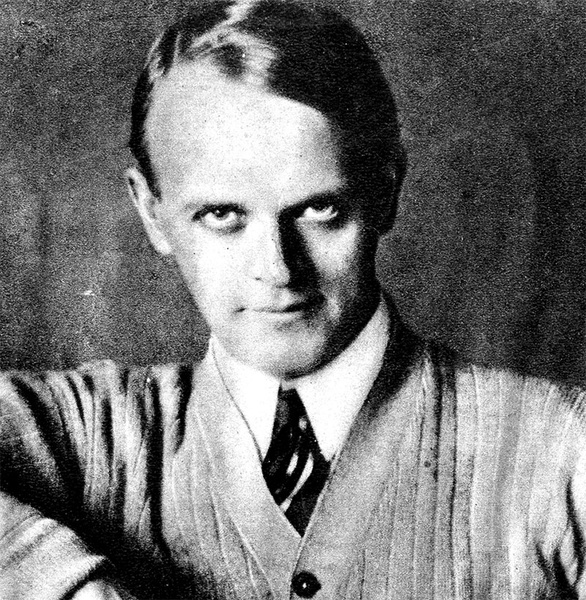


Karl August Neumann entstammte einer berühmten Intellektuellen- und Künstlerfamilie: Sein Vater, Karl Eugen Neumann, war ein bekannter Orientalist, sein Großvater, der Opernsänger Angelo Neumann, war Direktor der Opernhäuser in Leipzig, Bremen und Prag gewesen und hatte in den 1880er-Jahren mit einem hochkarätig besetzten Gastspielensemble die Werke Richard Wagners europaweit berühmt gemacht. Karl August Neumann folgte seinem Großvater und wurde ebenfalls Opernsänger. 1917 debütierte der Bariton in Mainz und kam über Engagements in Wuppertal-Elberfeld, Halle, Wien und Breslau 1928 nach Leipzig, wo er unter anderem in der Uraufführung von Ernst Krěneks Das Leben des Orest auftrat. 1933 engagierte ihn Heinz Tietjen, Generalintendant der Preußischen Staatstheater und künstlerischer Leiter der Bayreuther Festspiele, an die Berliner Staatsoper. Neben den Titelpartien in Don Giovanni, Rigoletto und Figaro sang er dort Wolfram in Tannhäuser und Beckmesser in den Meistersingern. 1933, im Jahr der nationalsozialistischen Machtübernahme, holte ihn Tietjen auch nach Bayreuth.
1936 wurde der Sänger aus der NS-Zwangsgenossenschaft, der „Reichstheaterkammer“, ausgeschlossen und erhielt damit Berufsverbot. Der Grund war Neumanns jüdische Ehefrau Irma Growi, wegen der Neumann fortan als „jüdisch versippt“ galt. Mit der Hilfe von Heinz Tietjen gelang es ihm jedoch, eine „jederzeit widerrufliche Sondergenehmigung“ zu erlangen, auf deren Grundlage er weiterarbeiten konnte. Er blieb Mitglied im Ensemble der Berliner Staatsoper und übernahm in den folgenden Jahren zahlreiche große Partien. Außerdem trat er bei Gastspielen in Deutschland und im Ausland auf und wirkte in Filmen mit. Im Juli 1944 wurde Neumann plötzlich verhaftet und vor dem für seine Schauprozesse berüchtigten „Volksgerichtshof“ der „Vorbereitung zum Hochverrat“ angeklagt: Neumann hatte sich in Berlin mehrfach mit Mitgliedern einer kommunistischen Widerstandsgruppe getroffen und war, als die Gruppe aufflog, ebenfalls verhaftet worden. Im Prozess kam das Tribunal zu der Überzeugung, dass Neumann lediglich „von der illegalen Betätigung der kommunistischen Funktionäre glaubhafte, wenn auch nicht sehr tiefgehende Kenntnis gehabt und die pflichtgemäße Anzeigeerstattung unterlassen“ hatte. Am 12. Oktober 1944 wurde er deshalb wegen „Nichtanzeige eines hochverräterischen Vorhabens“ zu drei Jahren Gefängnis verurteilt und in Bautzen inhaftiert. Während seiner Haft war Neumanns jüdische Ehefrau Irma Growi der Verfolgung schutzlos ausgeliefert. Sie wurde noch im Herbst 1944 in das KZ Auschwitz deportiert und dort ermordet.
Kurz nach Kriegsende, am 21. Mai 1945, wurde Neumann aus dem Gefängnis entlassen. Er kehrte nach Berlin und an die Staatsoper zurück, wo er als Sänger und Regisseur arbeitete und empört beobachten musste, wie ehemalige „Parteigenossen“ und Nazi-Aktivisten wieder ihre alten Stellen besetzten. Er selbst hatte keine Möglichkeit mehr zu einer zweiten Karriere: Am 18. September 1947 verstarb Karl August Neumann 55-jährig in Berlin.
1892 Barmen-Elberfeld/Wuppertal
1947 Berlin