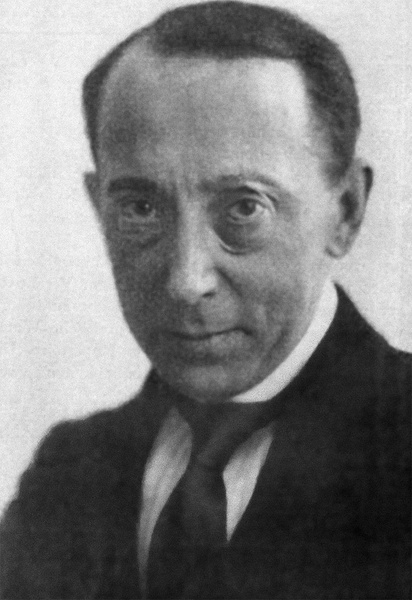


In Dortmund als Sohn eines jüdischen Möbelfabrikanten geboren, schrieb Hugo Wolfgang Philipp bereits als Gymnasiast Theaterstücke und versuchte sich während seiner Jugend als Schauspieler an kleinen Provinztheatern. Ab 1901 studierte er in Berlin Kunstgeschichte, Philosophie und Literatur und nahm am Stern’schen Konservatorium Violin- und Gesangsstunden. Seit 1907 war er als Opernsänger, Schauspieler und Regisseur an kleineren Bühnen tätig: Er debütierte als Basilio in Rossinis Der Barbier von Sevilla am Berliner Theater des Westens und wirkte ab 1908 an den Stadttheatern von Kattowitz, Wuppertal-Barmen und Ulm. Außerdem arbeitete er seit seiner Studienzeit als Rezensent für verschiedene Zeitungen und betätigte sich, mit geringem Erfolg, als freischaffender Autor. 1914 sang er als Bass im Chor der Bayreuther Festspiele.
1914 meldete Philipp sich freiwillig zum Kriegsdienst. Nach dem Krieg betätigte er sich als Schriftsteller und konnte 1923 den literarischen Durchbruch feiern: Sein groteske Tragödie Der Clown Gottes kam an mehreren Theatern zu Uraufführung und wurde in den folgenden Jahren an mehr als 60 Bühnen im In- und Ausland gezeigt. Im selben Jahr wurde Philipp als Regisseur an das Albert-Theater, mit 1200 Plätzen eines der größten Häuser in Dresden, verpflichtet. Dort machte er mit Inszenierungen von Schillers Maria Stuart oder dem eigenen Stück Die Welt im Blickpunkt auf sich aufmerksam, 1927 übernahm er zusammen mit der berühmten Schauspielerin Hermine Körner die Leitung des Hauses.507
Als Jude verlor Hugo Philipp nach der Machtübernahme 1933 seine Stellung in Dresden.508 1934 floh er zusammen mit seiner Ehefrau ins Exil – zunächst nach Jugoslawien, 1936 dann über die Schweiz nach Italien. Als dort 1938 ebenfalls antisemitische Rassegesetze erlassen wurden, kehrten beide in die Schweiz zurück. Alle Versuche, von dort ins sichere Exil nach Brasilien oder in die USA zu gelangen, scheiterten. Philipp fühlte sich, wie er in einem Brief schrieb, „in einer Mausefalle“. Diese Situation verschärfte sich nach Kriegsbeginn 1939: Das Ehepaar konnte die Schweiz nicht mehr verlassen und blieb in Zürich.
Auf der Flucht und im Exil hatte sich Philipp immer wieder seinem literarischen Schaffen gewidmet, unterbrochen von der Notwendigkeit, Geld zu verdienen. Der Versuch, nach dem Krieg an den alten Erfolg anzuknüpfen, scheiterte. Zwar wurden seine Werke in Deutschland wieder verlegt, sein Name aber war vergessen – daran änderte auch die Verleihung des Bundesverdienstkreuzes im Jahr 1967 nichts. Hugo Wolfgang Philipp blieb in der Schweiz und arbeitete als Schriftsteller, Leiter einer Schauspielschule und Gesangspädagoge in Zürich. Dort starb er am 18. März 1969.
1883 Dortmund
1969 Zürich