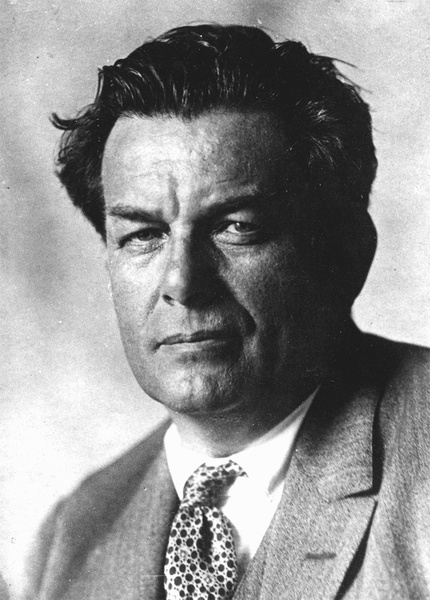


Hermann Weil wurde am 25. September 1876 in Mühlburg bei Karlsruhe geboren. Er studierte Musikwissenschaft und Dirigieren bei Felix Mottl und begann, frisch verheiratet, 1900 seine Laufbahn als Korrepetitor in Karlsruhe. Nachdem er sich bei Adolf Dippel als Sänger hatte ausbilden lassen, debütierte er 1901 in Freiburg als Wolfram in Tannhäuser. 1904 wurde er Mitglied der Stuttgarter Oper und blieb dort, mit Unterbrechungen, fast drei Jahrzehnte. 1911 und 1912 trat er zum ersten Mal in Bayreuth auf und beeindruckte als Hans Sachs, Amfortas und Gunther. 1911 wurde er, bei gleichzeitigem Gastspielvertrag in Stuttgart, von der Metropolitan Opera New York für sechs Spielzeiten engagiert. Nach Kriegsbeginn 1914 blieb er, was ihm „patriotische“ Kreise in Stuttgart sehr verübelten, in den USA und wurde dort mit dem amerikanischen Kriegseintritt 1917 für zwei Jahre interniert. 1920 bis 1923 Mitglied der Wiener Staatsoper, kehrte er 1924 nach Stuttgart und zur Wiedereröffnung auch nach Bayreuth zurück – „inzwischen ein chauvinistisches Treibhaus, in dem die Engagements der Juden Weil und Schorr heftig angefeindet wurden“.
In Stuttgart gehörte Hermann Weil, nach dem Urteil seines Intendanten Albert Kehm, „zu den hervorragendsten und meistbeschäftigten Mitgliedern“ des Ensembles. Er war der unbestrittene Star und wurde aufgrund seines immensen Repertoires ständig eingesetzt: In der Spielzeit 1932/33 sang er nicht nur in Tannhäuser, Lohengrin und Die Götterdämmerung, sondern auch in Zar und Zimmermann, Undine, Fidelio, Tristan und Isolde, Der Rosenkavalier, Cavalleria Rusticana, Rigoletto, Der Freischütz, Palestrina und Salome. Der unersetzliche und hoch bezahlte Bariton wäre selbstverständlich, so Kehm im Rückblick, „dem Württembergischen Staatstheater auch weiterhin erhalten geblieben“.
Aber Hermann Weil galt der nationalsozialistischen Ideologie zufolge als „Halbjude“. Am 31. März 1933 wurde ihm daher beim Betreten des Theaters lapidar erklärt: „Sie brauchen nicht mehr zu kommen.“ Man erlaubte ihm gerade noch, wegen „Berufsunfähigkeit“ die Pensionierung zu beantragen. Nur sein Kollege Fritz Windgassen protestierte gegen den Rechtsbruch. Die Anregung, das langjährige Ensemblemitglied, wie üblich, mit einer Ehrung zu verabschieden, beantwortete der neue Kultusminister Christian Mergenthaler so: „Als Judenstämmling kann der Kammersänger Hermann Weil nicht zum Ehrenmitglied des Staatstheaters ernannt werden.“ Weil blieb, von der kurzen Dauer des Regimes überzeugt, in Stuttgart.
Erst 1939, nachdem bereits beide Söhne ins Exil geflohen waren, entschloss sich auch Hermann Weil in letzter Minute zur Flucht: Gemeinsam mit seiner Ehefrau überschritt er Ende August 1939, als Sommerfrischler getarnt, mit einem Handkoffer die Schweizer Grenze. Noch bis 1940 offiziell in Stuttgart gemeldet, flüchteten das Paar 1941 aus der Schweiz in die USA. In New York gründete der Musiker eine Gesangsschule und arbeitete bis zu seinem Lebensende als Gesangslehrer. Am 6. Juli 1949 erlitt Hermann Weil beim Angeln auf dem Blue Mountain Lake, New York, einen Schlaganfall, an dessen Folgen er gestorben ist.
1876 Mühlburg
1949 New York