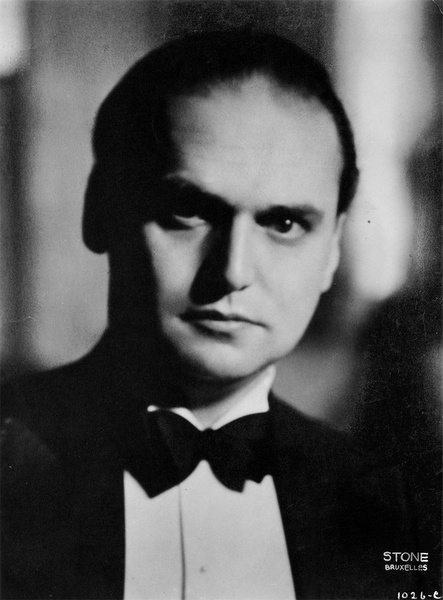


Als Sohn eines Bonner Verlagsbuchhändlers geboren, studierte Friedrich Cohen ab 1922 am Leipziger Konservatorium und an den Universitäten von Berlin, Köln und Leipzig. 1924 war er Klavierbegleiter der Tänzerin Yvonne Georgi und nahm im gleichen Jahr eine Stelle als Regisseur und Dirigent am Stadttheater in Münster an. Dort lernte er den Choreografen Kurt Jooss kennen, mit dem sich eine erfolgreiche Zusammenarbeit entwickelte: Cohen komponierte die Musik für die Choreografien von Jooss, wurde Klavierbegleiter von dessen „Neuer Tanzbühne“ und folgte ihm schließlich 1928, nach einer kurzen Tätigkeit als Oberspielleiter der Würzburger Oper, an die neu gegründete Essener Folkwangschule. 1930 kam er mit Jooss und dessen Ballettkompanie nach Bayreuth, um die Choreografie für das Venusberg-Bacchanal in Tannhäuser einzustudieren. Eine der daran beteiligten Tänzerinnen war Cohens Ehefrau Elsa Kahl. 1932 stellte sich auch international Erfolg ein: Cohen hatte die Musik zu Jooss’ pazifistischer Choreografie Der Grüne Tisch – Ein Totentanz komponiert, die mit ihrer Synthese aus klassischem Ballett und Ausdruckstanz wegweisend für das Tanztheater werden sollte. Bei dem wichtigsten internationalen Tanzwettbewerb in Paris gewann sie 1932 den ersten Preis und erlebte in den folgenden Jahren weltweit zahlreiche Aufführungen.
Die Machtübernahme 1933 beendete Friedrich Cohens Karriere in Deutschland: Wegen seiner jüdischen Abstammung wurde er, mittlerweile Oberspielleiter der Städtischen Bühnen in Essen, zum Ziel einer Hetzkampagne der örtlichen NS-Presse. Bereits am 29. März 1933 teilte ihm der Essener Oberbürgermeister mit: „Die zur Zeit vorhandene Stimmung weiter Volkskreise veranlasst mich, Sie bis auf weiteres von Ihren Dienstfunktionen zu beurlauben.“ Cohen war entlassen.
Aus Angst vor der Verhaftung floh Cohen zusammen mit Jooss und dem Großteil der Tanzgruppe im September 1933 nach Holland. In den folgenden Monaten gingen sie zunächst auf Europa-Tournee und begaben sich schließlich 1934 ins Exil nach England. Während Jooss dort in Dartington Hall eine eigene Tanzschule gründete, ging Cohen mit der Kompanie auf Gastspielreisen. Während einer Tournee durch die USA begann der Zweite Weltkrieg, der für die deutschen Staatsangehörigen der Gruppe, darunter Cohen und seine Frau, fatale Folgen hatte: Großbritannien verweigerte ihnen als Deutschen die Einreise – sie waren in den USA gestrandet. Eine Südamerika-Tournee und verschiedene Auftritte in den USA konnten die Kompanie kaum ernähren, sodass sie sich 1942 auflöste. In den folgenden Jahren schlug Cohen sich als Lehrer am progressiven Black Mountain College in North Carolina und am Berkshire Music Center in Massachusetts durch, erst 1946 konnte er eine feste Stelle an der Juilliard School in New York erlangen. Dort wirkte er als Lehrer, Regisseur und später als Leiter der Opernabteilung. Am 9. März 1967 starb Friedrich Cohen in New York.
1904 Bonn
1967 New York