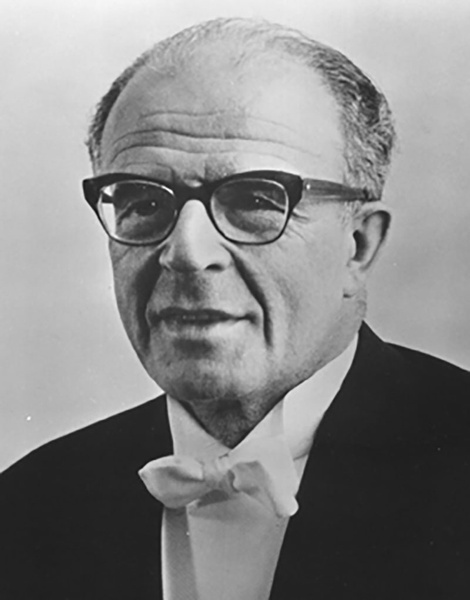


Der Sohn eines Rechtsanwaltes studierte von 1923 bis 1926 an der Staatlichen Hochschule für Musik in Berlin Violine, Klavier, Komposition und Dirigieren. 1926 begann Franz Allers seine Karriere als Kapellmeister am Stadttheater seiner Heimatstadt Karlsbad/Karlovy Vary, wechselte aber noch im gleichen Jahr als Solorepetitor an die Vereinigten Stadttheater Barmen-Elberfeld, das spätere Stadttheater Wuppertal. 1927 stieg er dort zum Kapellmeister auf und entwickelte sich in den folgenden Jahren zum Operettenspezialisten. Im Sommer 1927 wirkte er als musikalischer Assistent bei den Bayreuther Festspielen, zwei Jahre später in gleicher Funktion bei den Wagner-Festspielen in Paris.
Nach der nationalsozialistischen Machübernahme 1933 gehörte Allers als Jude zu den ersten Opfern der Vertreibung am Wuppertaler Theater: Eine für den 9. März angesetzte Operettenaufführung unter seiner Leitung wurde von den örtlichen NSDAP-Stellen verhindert und Allers das Betreten des Opernhauses verboten. Da er an Bühnen im Deutschen Reich keine Stellung mehr erhalten konnte, floh er noch im März 1933 in die Tschechoslowakei und nahm im Herbst eine befristete Stelle als Kapellmeister am Stadttheater Aussig/Ústí nad Labem an. Dort leitete er in den folgenden Jahren als Operndirigent das Orchester, konnte seine Verträge aber immer nur kurzfristig und unter erheblich schlechteren Bedingungen als in Wuppertal abschließen.
Als nach der Annexion Österreichs im März 1938 auch in der Tschechoslowakei die Nationalsozialisten immer stärker wurden, verlor er diese Stellung. Anfang Oktober 1938, als nach dem Münchner Abkommen deutsche Truppen ins Sudetengebiet einmarschierten, entschloss sich Allers zur Flucht: Über Ostende in Belgien entkam er nach London, bevor er schließlich am 20. Oktober 1938 ins Exil in die USA gelangte. Völlig mittellos musste er sich erneut eine Existenz aufbauen. Er arbeitete zunächst als Klavierlehrer, begleitete als Dirigent von 1939 bis 1944 das Ballet Russe de Monte Carlo auf seinen Tourneen durch die USA und Südamerika und schlug sich danach wieder als Klavierlehrer durch. Erst im Januar 1946 gelang es ihm, in New York eine feste Stellung an einem Musical-Theater am Broadway zu erhalten. In den folgenden Jahren dirigierte er zahlreiche Musicals – darunter die Uraufführung von My Fair Lady, das schnell zum Welterfolg wurde und ihm einen Tony Award bescherte –, wirkte bei Kino- und Fernsehproduktionen mit und leitete Aufführungen an der New York City Opera und an der Metropolitan Opera. In den 1950er- und 1960er-Jahren dirigierte er nahezu alle großen amerikanischen Symphonieorchester, ging auf Europa-Tourneen und kam dabei auch mehrfach nach Deutschland. Von 1973 bis zu seiner Pensionierung 1976 wirkte er als Chefdirigent des Staatstheaters am Gärtnerplatz in München. Noch bis 1984 gab er Gastspiele in den USA. Am 26. Januar 1995 verstarb Franz Allers in Las Vegas.
1905 Karlovy Vary (Karlsbad)
1995 Las Vegas