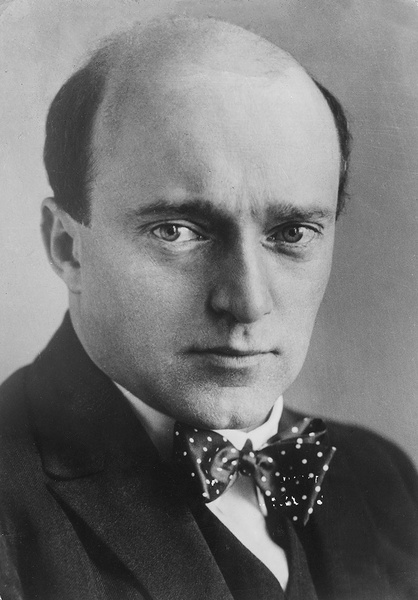
Am 5. August 1890 in Wien geboren, wuchs der Lehrersohn nach dem frühen Tod der Eltern bei Verwandten in Prag und Wien auf und erlebte dort zahlreiche Aufführungen in der von Gustav Mahler geleiteten Wiener Hofoper. Kleiber ging nach Prag, wo er Philosophie, Geschichte und Kunstgeschichte studierte und sich am dortigen Konservatorium musikalisch ausbilden ließ. Anschließend arbeitete er kurzzeitig am Deutschen Theater in Prag, bevor er 1912 seine Karriere als Kapellmeister am Hoftheater in Darmstadt begann. Ab 1921 wirkte er jeweils kurz als Kapellmeister an den Opernhäusern von Barmen-Elberfeld, Düsseldorf und Mannheim und erwarb sich den Ruf eines außergewöhnlich begabten Dirigenten mit einer besonderen Vorliebe für zeitgenössische Musik.
Ein 1923 absolviertes Gastdirigat an der Berliner Staatsoper erwies sich schließlich als der entscheidende Karrieresprung: Nach einer Aufführung von Fidelio folgte Intendant Max von Schillings dem Votum des Orchesters und machte den 33-Jährigen zum Nachfolger von Leo Blech als Generalmusikdirektor der Staatsoper. Mit der Uraufführung von Alban Bergs Wozzeck schrieb sich Kleiber 1925 in die Annalen der Musikgeschichte ein. „Ich habe“, schrieb Alban Berg an seine Frau, „es nicht für möglich gehalten, als Musiker und Dramatiker je so verstanden zu werden, wie dieses durch Kleiber geschieht“. In den folgenden Jahren avancierte der Ausnahmekünstler zu einem der prominentesten Dirigenten der Zeit, der sich zudem um die Uraufführungen zahlreicher moderner Werke etwa von Ernst Krenek, Darius Milhaud oder Franz Schreker verdient machte. Auch Auslandstourneen gehörten nun zu seinem Berufsalltag: 1926 dirigierte er in Argentinien, 1927 in der Sowjetunion und 1930/31 in den USA.
Die nationalsozialistische Machtübernahme 1933 schien für Kleiber zunächst nicht unmittelbar bedrohlich zu sein. Doch die heftige Kritik der NS-Presse an seinem Engagement für zeitgenössische Musik, verstummte nicht. Zusätzlich wurde er Zeuge des brutalen Vorgehens der Nazis gegen die Vertreter der künstlerischen Avantgarde wie gegen jüdische Kollegen. Deshalb – und möglicherweise auch wegen der sorgsam geheim gehaltenen jüdischen Abstammung seiner Ehefrau – kündigte Kleiber seinen Vertrag und verließ 1935 Deutschland. In den folgenden Jahren führte er ein Leben als Gastdirigent in Brüssel, London und Moskau, bei den Salzburger Festspielen, an der Covent Garden Opera London und am Téatro Colon in Buenos Aires, wo er sich 1939 mit seiner Familie niederließ.
Nach Kriegsende kehrte Kleiber nach Deutschland zurück. Er dirigierte westdeutsche Rundfunkorchester und 1951 auch erstmals wieder das Orchester der Staatsoper. Seine Pläne, nach dem Wiederaufbau des Hauses dauerhaft dessen künstlerische Leitung zu übernehmen, scheiterten an den Frontstellungen des Kalten Krieges. Am 27. Januar 1956 ist Erich Kleiber in Zürich an den Folgen eines Herzinfarktes gestorben.
1890 Wien
1956 Zürich