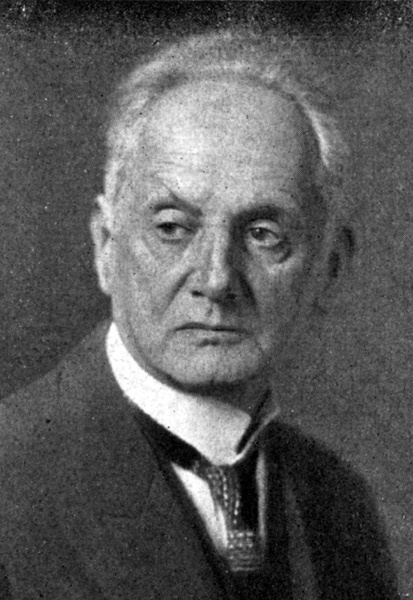


Eduard Rosé wurde unter dem Namen Eduard Rosenblum in Rumänien geboren, er entstammte einer wohlhabenden und musikalischen jüdischen Familie. Ab 1867 studierte er in Wien am Konservatorium der Gesellschaft der Musikfreunde Cello und wurde Schüler von Anton Bruckner und Eduard Hanslick an der Universität. Ab 1882 spielte er in dem von seinem Bruder Arnold, einem schon damals berühmten Geiger, gegründeten Streichquartett, das in den folgenden Jahren zum weltweit führenden Kammermusikensemble werden sollte. In dieser Zeit nahmen beide Brüder den Künstlernamen Rosé an. 1884 wurde Eduard Rosé als 1. Solocellist an die Hofoper in Budapest verpflichtet, ging ab 1887 auf Konzerttourneen und wurde schließlich 1891 an das Bostoner Symphonieorchester berufen. Von dort wurde er von 1892 bis 1897 durchgängig als Cellist zu den Bayreuther Festspielen verpflichtet.
1898 hatte Rosé Emma Mahler geheiratet, eine Schwester seines Studienfreundes Gustav Mahler. Der berühmte und einflussreiche Dirigent verschaffte Rosé eine Stellung am Weimarer Hoftheater, das ihn zum 1. September 1900 als Konzertmeister engagierte. Rosé blieb, trotz zahlreicher Konflikte mit dem eigentlich unter seinem Niveau spielenden Orchester, bis zu seiner Pensionierung 1926 in dieser Stellung. Daneben arbeitete er von 1911 bis 1924 als Lehrer an der Weimarer Orchesterschule.
Die thüringische Landeshauptstadt Weimar war bereits in den 1920er-Jahren eine Hochburg des Antisemitismus und ein Zentrum der nationalsozialistischen Bewegung geworden. Nach der Machtübernahme der NSDAP musste Rosé erleben, wie ihm schrittweise die Lebensgrundlage, die Würde und die Familie – immer mehr seiner Angehörigen flohen ins Exil – genommen wurden. Als 1939 alle Juden in Deutschland ihre Radios abgeben mussten, war das für den Musiker, der seit dem Tod seiner Frau viel Zeit vor dem Rundfunkempfänger verbrachte, ein schwerer Schlag. Ab September 1941 waren alle Juden gezwungen, den „Judenstern“ zu tragen. In völliger Verkennung der Gefahr protestierte Rosé beim Polizeipräsidenten und argumentierte, dass er als „bereits im 83. Lebensjahr stehender Witwer“ gezwungen sei, seine Mahlzeiten im Lokal einzunehmen. Dies würde ihm durch die Kennzeichnungspflicht aber unmöglich gemacht: „Ich bitte daher ganz ergebenst, mich gütigst davon entbinden zu wollen, den bewußten Stern zu tragen, da andernfalls meine Ernährung auf nicht zu überwindende Schwierigkeiten stoßen würde!“ Rosé wurde daraufhin von der Gestapo verhaftet und verhört, es folgten Hausdurchsuchungen und ein schikanöses Gerichtsverfahren. Im Dezember 1941 musste er seine Wohnung räumen und in eines der für die Konzentration der Juden bestimmten, ghettoartigen „Judenhäuser“ ziehen. Seit Mai 1942 wurden in Weimar Juden aus ganz Thüringen zur Deportation in die Konzentrations- und Vernichtungslager gesammelt. Am 20. September 1942 wurde auch Eduard Rosé in das KZ Theresienstadt verschleppt. Dort starb er am 24. Januar 1943.
1859 Jassy
1943 Theresienstadt (Konzentrationslager)